Connect With Us
Blog
Items filtered by date: March 2021
Monday, 29 March 2021 00:00
What Is Sever’s Disease?
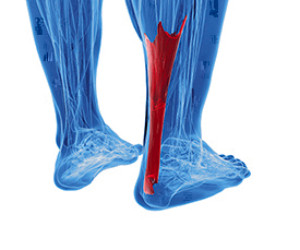
Children who are growing and physically active can put excessive wear on the growth plate of their heel bone, which attaches to the Achilles tendon. Repetitive pulling on the growth plate causes inflammation and pain in the heel and is known as Sever’s disease. Although this condition is painful and can reoccur, it is not dangerous, and should go away once the growth plate closes and your child stops growing. There are several things you can do at home to help reduce the pain of Sever’s disease. Have your child stretch their calf muscles several times a day and make sure your child sits out activities rather than playing through the pain. You can also ice the area, give your child over-the-counter painkillers, and have them wear supportive shoes. If pain persists, severe swelling occurs, or your child develops a fever, contact a podiatrist right away. The podiatrist will first rule out a heel fracture, and then may suggest custom orthotics and specific stretching exercises to heal the pain and avoid permanent damage.
Sever's disease often occurs in children and teens. If your child is experiencing foot or ankle pain, see one of our podiatrists from New England Foot and Ankle. Our doctors can treat your child’s foot and ankle needs.
Sever’s Disease
Sever’s disease is also known as calcaneal apophysitis, which is a medical condition that causes heel pain I none or both feet. The disease is known to affect children between the ages of 8 and 14.
Sever’s disease occurs when part of the child’s heel known as the growth plate (calcaneal epiphysis) is attached to the Achilles tendon. This area can suffer injury when the muscles and tendons of the growing foot do not keep pace with bone growth. Therefore, the constant pain which one experiences at the back of the heel will make the child unable to put any weight on the heel. The child is then forced to walk on their toes.
Symptoms
Acute pain – Pain associated with Sever’s disease is usually felt in the heel when the child engages in physical activity such as walking, jumping and or running.
Highly active – Children who are very active are among the most susceptible in experiencing Sever’s disease, because of the stress and tension placed on their feet.
If you have any questions, please feel free to contact one of our offices located in Chelmsford and Newburyport, MA . We offer the newest diagnostic and treatment technologies for all your foot and ankle injuries.
Monday, 29 March 2021 00:00
Do Your Child's Feet Hurt?

Have your child's feet been examined lately? Healthy feet are happy feet. If your child is complaining of foot pain, it may be a sign of underlying problems.
Monday, 29 March 2021 00:00
What Is Sever’s Disease?
Children who are growing and physically active can put excessive wear on the growth plate of their heel bone, which attaches to the Achilles tendon. Repetitive pulling on the growth plate causes inflammation and pain in the heel and is known as Sever’s disease. Although this condition is painful and can reoccur, it is not dangerous, and should go away once the growth plate closes and your child stops growing. There are several things you can do at home to help reduce the pain of Sever’s disease. Have your child stretch their calf muscles several times a day and make sure your child sits out activities rather than playing through the pain. You can also ice the area, give your child over-the-counter painkillers, and have them wear supportive shoes. If pain persists, severe swelling occurs, or your child develops a fever, contact a podiatrist right away. The podiatrist will first rule out a heel fracture, and then may suggest custom orthotics and specific stretching exercises to heal the pain and avoid permanent damage.
Sever's disease often occurs in children and teens. If your child is experiencing foot or ankle pain, see one of our podiatrists from New England Foot and Ankle. Our doctors can treat your child’s foot and ankle needs.
Sever’s Disease
Sever’s disease is also known as calcaneal apophysitis, which is a medical condition that causes heel pain I none or both feet. The disease is known to affect children between the ages of 8 and 14.
Sever’s disease occurs when part of the child’s heel known as the growth plate (calcaneal epiphysis) is attached to the Achilles tendon. This area can suffer injury when the muscles and tendons of the growing foot do not keep pace with bone growth. Therefore, the constant pain which one experiences at the back of the heel will make the child unable to put any weight on the heel. The child is then forced to walk on their toes.
Symptoms
Acute pain – Pain associated with Sever’s disease is usually felt in the heel when the child engages in physical activity such as walking, jumping and or running.
Highly active – Children who are very active are among the most susceptible in experiencing Sever’s disease, because of the stress and tension placed on their feet.
If you have any questions, please feel free to contact one of our offices located in Chelmsford and Newburyport, MA . We offer the newest diagnostic and treatment technologies for all your foot and ankle injuries.
Read more about Sever's Disease Monday, 29 March 2021 00:00
Do Your Child's Feet Hurt?

Have your child's feet been examined lately? Healthy feet are happy feet. If your child is complaining of foot pain, it may be a sign of underlying problems.
Monday, 22 March 2021 00:00
Living With Flat Feet
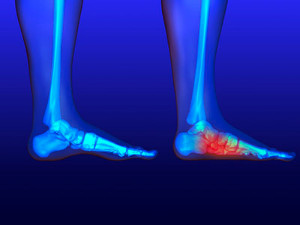 Having flat feet, defined as feet that do not have a visible arch in the sole while standing, can sometimes cause foot problems to arise. While many people have flat feet and do not experience any negative effects, others may find that they have foot pain, fatigue easily, or have an abnormal walking pattern. Fortunately, there are steps you can take to make living with flat feet more comfortable. Over the counter and custom orthotic inserts can be worn in the shoes to provide more cushioning and support to your flat feet as you go about your daily activities. Stretching and strengthening the feet with simple foot exercises can also help to reduce pain and discomfort. For more information about flat feet, please consult with a podiatrist.
Flatfoot is a condition many people suffer from. If you have flat feet, contact one of our podiatrists from New England Foot and Ankle. Our doctors will treat your foot and ankle needs.
What Are Flat Feet?
Flatfoot is a condition in which the arch of the foot is depressed and the sole of the foot is almost completely in contact with the ground. About 20-30% of the population generally has flat feet because their arches never formed during growth.
Conditions & Problems:
Having flat feet makes it difficult to run or walk because of the stress placed on the ankles.
Alignment – The general alignment of your legs can be disrupted, because the ankles move inward which can cause major discomfort.
Knees – If you have complications with your knees, flat feet can be a contributor to arthritis in that area.
Symptoms
- Pain around the heel or arch area
- Trouble standing on the tip toe
- Swelling around the inside of the ankle
- Flat look to one or both feet
- Having your shoes feel uneven when worn
Treatment
If you are experiencing pain and stress on the foot you may weaken the posterior tibial tendon, which runs around the inside of the ankle.
If you have any questions please feel free to contact one of our offices located in Chelmsford and Newburyport, MA . We offer the newest diagnostic and treatment technologies for all your foot and ankle needs.
Monday, 22 March 2021 00:00
Living With Flat Feet
Having flat feet, defined as feet that do not have a visible arch in the sole while standing, can sometimes cause foot problems to arise. While many people have flat feet and do not experience any negative effects, others may find that they have foot pain, fatigue easily, or have an abnormal walking pattern. Fortunately, there are steps you can take to make living with flat feet more comfortable. Over the counter and custom orthotic inserts can be worn in the shoes to provide more cushioning and support to your flat feet as you go about your daily activities. Stretching and strengthening the feet with simple foot exercises can also help to reduce pain and discomfort. For more information about flat feet, please consult with a podiatrist.
Flatfoot is a condition many people suffer from. If you have flat feet, contact one of our podiatrists from New England Foot and Ankle. Our doctors will treat your foot and ankle needs.
What Are Flat Feet?
Flatfoot is a condition in which the arch of the foot is depressed and the sole of the foot is almost completely in contact with the ground. About 20-30% of the population generally has flat feet because their arches never formed during growth.
Conditions & Problems:
Having flat feet makes it difficult to run or walk because of the stress placed on the ankles.
Alignment – The general alignment of your legs can be disrupted, because the ankles move inward which can cause major discomfort.
Knees – If you have complications with your knees, flat feet can be a contributor to arthritis in that area.
Symptoms
- Pain around the heel or arch area
- Trouble standing on the tip toe
- Swelling around the inside of the ankle
- Flat look to one or both feet
- Having your shoes feel uneven when worn
Treatment
If you are experiencing pain and stress on the foot you may weaken the posterior tibial tendon, which runs around the inside of the ankle.
If you have any questions please feel free to contact one of our offices located in Chelmsford and Newburyport, MA . We offer the newest diagnostic and treatment technologies for all your foot and ankle needs.
Read more about Flat Feet Monday, 15 March 2021 00:00
Symptoms of an Ankle Sprain
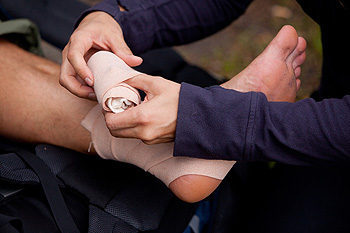 Ankle sprains are one of the most frequent injuries that can occur to the ankle. Sprains typically result from the ankle being twisted (usually due to trauma) in a way that causes the ligaments to become over stretched and even torn. While pain and swelling are the main symptoms of ankle sprains, they can also be indicated by bruising, hearing a “popping” sound at the time of injury, tenderness, inability to hold weight, and an unstable joint. While mild sprains will result in minor symptoms, severe sprains can lead to significant pain and swelling. Since the ligaments connect the bones together, it is important to visit a podiatrist who can check the ankle in its entirety. A podiatrist will also be able to inspect range of motion as well as diagnose and treat any broken bones.
Ankle sprains are common but need immediate attention. If you need your feet checked, contact one of our podiatrists from New England Foot and Ankle. Our doctors can provide the care you need to keep you pain-free and on your feet.
How Does an Ankle Sprain Occur?
Ankle sprains take place when the ligaments in your ankle are torn or stretched beyond their limits. There are multiple ways that the ankle can become injured, including twisting or rolling over onto your ankle, putting undue stress on it, or causing trauma to the ankle itself.
What Are the Symptoms?
- Mild to moderate bruising
- Limited mobility
- Swelling
- Discoloration of the skin (depending on severity)
Preventing a Sprain
- Wearing appropriate shoes for the occasion
- Stretching before exercises and sports
- Knowing your limits
Treatment of a Sprain
Treatment of a sprain depends on the severity. Many times, people are told to rest and remain off their feet completely, while others are given an air cast. If the sprain is very severe, surgery may be required.
If you have suffered an ankle sprain previously, you may want to consider additional support such as a brace and regular exercises to strengthen the ankle.
If you have any questions please feel free to contact one of our offices located in Chelmsford and Newburyport, MA . We offer the newest diagnostic and treatment technologies for all your foot and ankle needs.
Monday, 15 March 2021 00:00
Symptoms of an Ankle Sprain
Ankle sprains are one of the most frequent injuries that can occur to the ankle. Sprains typically result from the ankle being twisted (usually due to trauma) in a way that causes the ligaments to become over stretched and even torn. While pain and swelling are the main symptoms of ankle sprains, they can also be indicated by bruising, hearing a “popping” sound at the time of injury, tenderness, inability to hold weight, and an unstable joint. While mild sprains will result in minor symptoms, severe sprains can lead to significant pain and swelling. Since the ligaments connect the bones together, it is important to visit a podiatrist who can check the ankle in its entirety. A podiatrist will also be able to inspect range of motion as well as diagnose and treat any broken bones.
Ankle sprains are common but need immediate attention. If you need your feet checked, contact one of our podiatrists from New England Foot and Ankle. Our doctors can provide the care you need to keep you pain-free and on your feet.
How Does an Ankle Sprain Occur?
Ankle sprains take place when the ligaments in your ankle are torn or stretched beyond their limits. There are multiple ways that the ankle can become injured, including twisting or rolling over onto your ankle, putting undue stress on it, or causing trauma to the ankle itself.
What Are the Symptoms?
- Mild to moderate bruising
- Limited mobility
- Swelling
- Discoloration of the skin (depending on severity)
Preventing a Sprain
- Wearing appropriate shoes for the occasion
- Stretching before exercises and sports
- Knowing your limits
Treatment of a Sprain
Treatment of a sprain depends on the severity. Many times, people are told to rest and remain off their feet completely, while others are given an air cast. If the sprain is very severe, surgery may be required.
If you have suffered an ankle sprain previously, you may want to consider additional support such as a brace and regular exercises to strengthen the ankle.
If you have any questions please feel free to contact one of our offices located in Chelmsford and Newburyport, MA . We offer the newest diagnostic and treatment technologies for all your foot and ankle needs.
Read more about Ankle Sprains Monday, 08 March 2021 00:00
Why Do My Arches Hurt?
 Pain in the arches on the bottom of the feet is a common problem that can have many different causes. Plantar fasciitis, an inflammation of the plantar fascia, can lead to arch pain due to overstretching and pulling on this ligament from repetitive activities like running and jumping. Arch pain may also result from abnormalities in your gait or walking pattern. Arch pain may be especially prevalent in people whose feet overpronate or roll too much inwards when they walk. Walking, standing, or running for prolonged periods of time, being overweight, or having tight Achilles tendons or calf muscles are other risk factors for developing arch pain. If you have pain in your feet, it is recommended that you consult with a podiatrist.
Foot Pain
Foot pain can be extremely painful and debilitating. If you have a foot pain, consult with one of our podiatrists from New England Foot and Ankle. Our doctors will assess your condition and provide you with quality foot and ankle treatment.
Causes
Foot pain is a very broad condition that could be caused by one or more ailments. The most common include:
- Bunions
- Hammertoes
- Plantar Fasciitis
- Bone Spurs
- Corns
- Tarsal Tunnel Syndrome
- Ingrown Toenails
- Arthritis (such as Gout, Rheumatoid, and Osteoarthritis)
- Flat Feet
- Injury (from stress fractures, broken toe, foot, ankle, Achilles tendon ruptures, and sprains)
- And more
Diagnosis
To figure out the cause of foot pain, podiatrists utilize several different methods. This can range from simple visual inspections and sensation tests to X-rays and MRI scans. Prior medical history, family medical history, and any recent physical traumatic events will all be taken into consideration for a proper diagnosis.
Treatment
Treatment depends upon the cause of the foot pain. Whether it is resting, staying off the foot, or having surgery; podiatrists have a number of treatment options available for foot pain.
If you have any questions, please feel free to contact one of our offices located in Chelmsford and Newburyport, MA . We offer the newest diagnostic and treatment technologies for all your foot care needs.
Monday, 08 March 2021 00:00
Wounds That Don't Heal Need to Be Checked

Your feet are covered most of the day. If you're diabetic, periodic screening is important for good health. Numbness is often a sign of diabetic foot and can mask a sore or wound.
Blog Archives
- May 2025
- April 2025
- March 2025
- February 2025
- January 2025
- December 2024
- November 2024
- October 2024
- September 2024
- August 2024
- July 2024
- June 2024
- May 2024
- April 2024
- March 2024
- February 2024
- January 2024
- December 2023
- November 2023
- October 2023
- September 2023
- August 2023
- July 2023
- June 2023
- May 2023
- April 2023
- March 2023
- February 2023
- January 2023
- December 2022
- November 2022
- October 2022
- September 2022
- August 2022
- July 2022
- June 2022
- May 2022
- April 2022
- March 2022
- February 2022
- January 2022
- December 2021
- November 2021
- October 2021
- September 2021
- August 2021
- July 2021
- June 2021
- May 2021
- April 2021
- March 2021
- February 2021
- January 2021
- December 2020
- November 2020
- October 2020
- September 2020
- August 2020
- July 2020
- June 2020
- May 2020
- April 2020
- March 2020
- February 2020
- January 2020
- December 2019
- November 2019
- October 2019
- September 2019
- August 2019
- July 2019
- June 2019
- May 2019
- April 2019
- March 2019
- February 2019
- January 2019
- December 2018
- November 2018
- October 2018
- September 2018
- August 2018
- July 2018
- June 2018
- May 2018
- April 2018
- March 2018
- February 2018
- January 2018
- December 2017
- November 2017
- October 2017
- September 2017
- August 2017
- July 2017
- June 2017
- May 2017
- April 2017
- March 2017
- February 2017
- March 2016
